Research Priorities for Airborne Particu
Research Priorities for Airborne Particulate Matter
Environment and Resources Commission on Geosciences
Reducing Disaster Losses Through Better
Reducing Disaster Losses Through Better Information
Research Reactor Aluminum Spent Fuel
Research Required to Support Comprehensi
Research Required to Support Comprehensive Nuclear Test Ban Treaty Monitoring
Wetlands
Marine Protected Areas
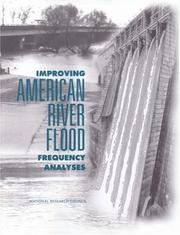
Improving American River flood frequency analyses
Effects of Past Global Change on Life
GEWEX Global Water Vapor Project (GVaP)-
GEWEX Global Water Vapor Project (GVaP)--U. S. Opportunities
Atmospheric Sciences
Technical Bases for Yucca Mountain Stand
Technical Bases for Yucca Mountain Standards
Alluvial Fan Flooding
End State Methodology for Identifying Te
End State Methodology for Identifying Technology Needs for Environmental Management, with an Example from the Hanford Site Tanks
Hydrologic Hazards Science at the U. S.
Hydrologic Hazards Science at the U. S. Geological Survey
New Directions in Water Resources Planni
New Directions in Water Resources Planning for the U. S. Army Corps of Engineers
Barrier Technologies for Environmental M
Barrier Technologies for Environmental Management
Watershed Research in the U. S. Geologic
Watershed Research in the U. S. Geological Survey
Review of Northeast Fishery Stock Assess
Review of Northeast Fishery Stock Assessments
Learning to Predict Climate Variations A
Learning to Predict Climate Variations Associated with el Nino and the Southern Oscillation
Plan for a Research Program on Aerosol R
Plan for a Research Program on Aerosol Radiative Forcing and Climate Change
Enhancing Access to NEXRAD Data--A Criti
Enhancing Access to NEXRAD Data--A Critical National Resource
Environmental Management Technology-Deve
Environmental Management Technology-Development Program at the Department of Energy
Science, Policy, and the Coast
Capacity of U. S. Climate Modeling to Su
Capacity of U. S. Climate Modeling to Support Climate Change Assessment Activities